
EQIP Application Timing Determines Row Crop Cost-Share Success
EQIP signup windows close fast, and missing your state's deadline costs thousands in cost-share dollars. Understand how application timing locks your funding and what drives the urgency.
EQIP signup windows close fast, and missing your state's deadline costs thousands in cost-share dollars. Understand how application timing locks your funding and what drives the urgency.
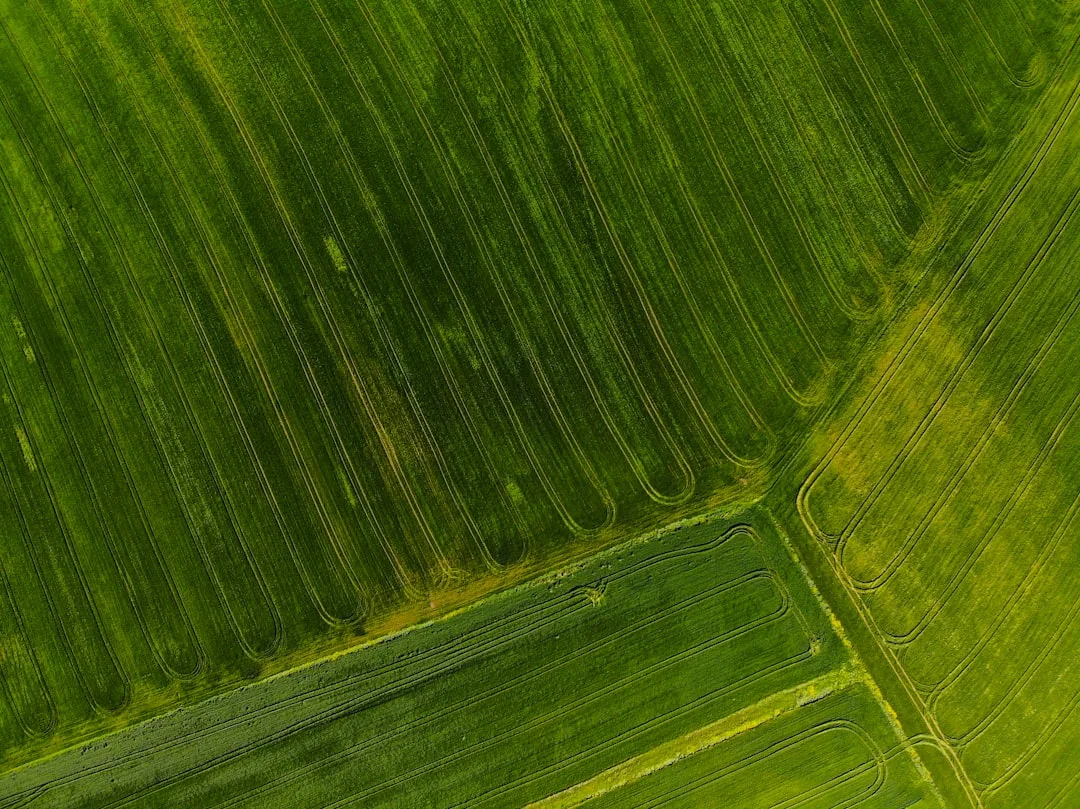
Field-level yield mapping breaks your farm into granular zones to expose hidden underperformance. Knowing where you lose bushels — and why — lets you test fixes on smaller ground before scaling.
When you sign up for EQIP, your payment rate is locked on the day your contract is approved—not when you install the practice. Understanding how EQIP payment rate locks work protects your actual cost-share return and prevents budget surprises.
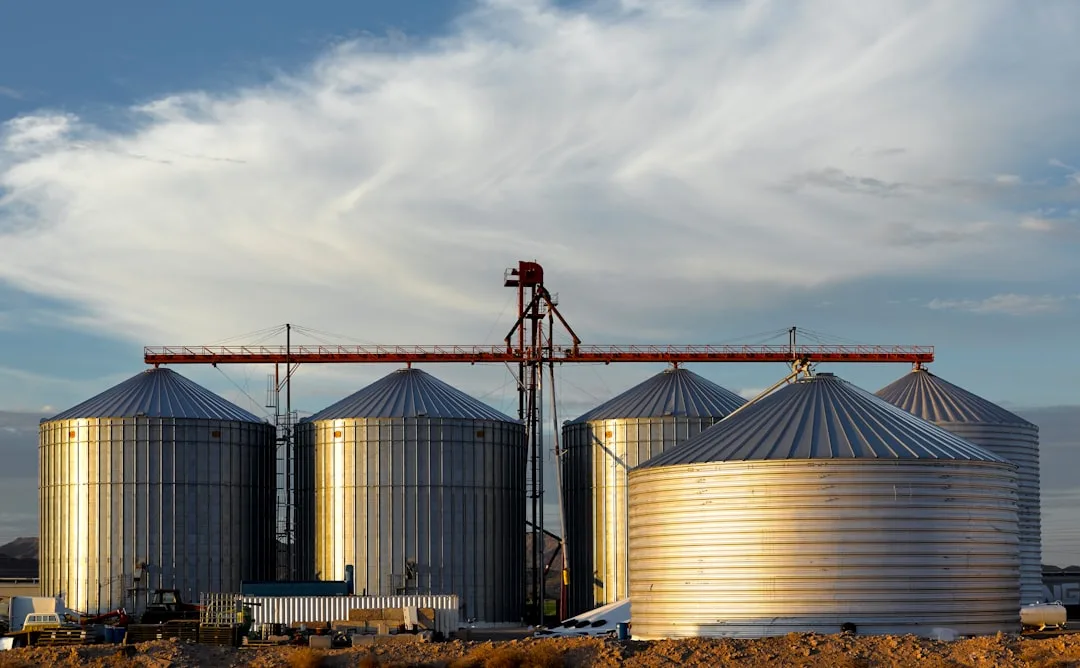
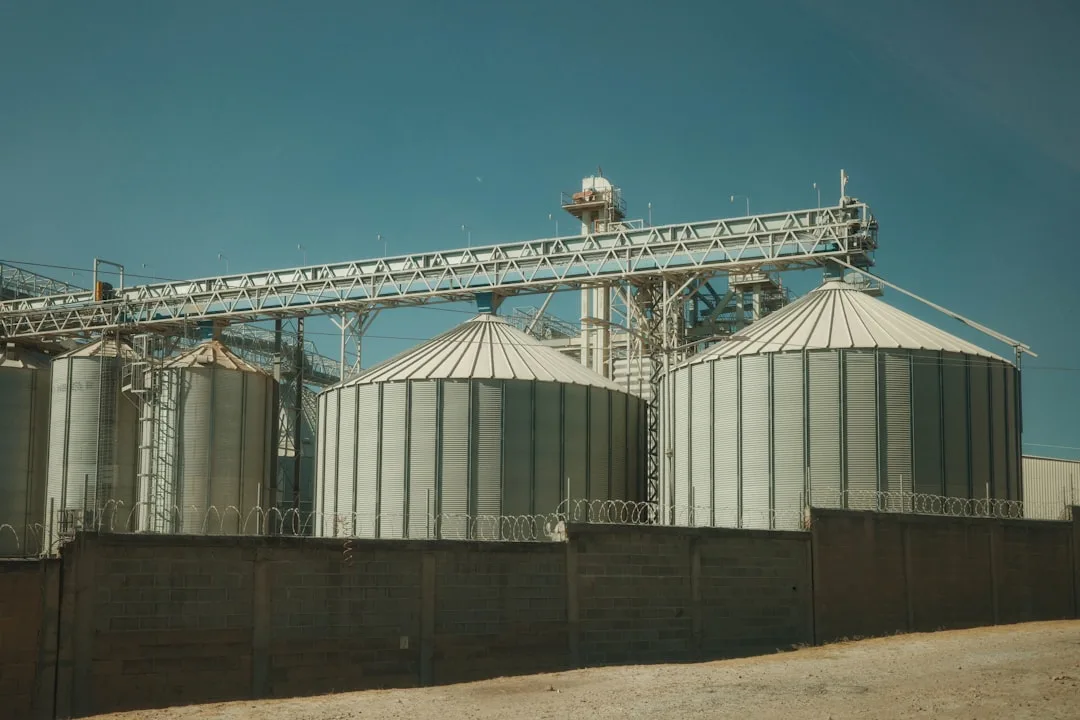
Deferred pricing lets you sell grain after harvest without storing it yourself—your elevator holds inventory while you lock in a future price. Understanding when and how to use this tool can protect your revenue and reduce storage risk.
After NRCS approves your EQIP practice, the work isn't done. Reverification inspections can happen anytime during your contract, and failure to maintain your approved practices risks partial or full cost-share loss.
Yield lag detection is a method that compares your farm's output against regional and state benchmarks to spot underperformance before it costs you money. This article explains how to read the data and turn it into field action.
Commodity price volatility planning is how successful row-crop producers separate guessing from strategy. This article explains the mechanics of price swings, why your budget breaks when you ignore them, and concrete steps to plan around volatility without needing perfect forecasts.
NRCS conducts EQIP environmental compliance audits throughout your contract term to confirm your installed practices meet program standards. Understanding what audits cover, when they occur, and how to maintain audit-ready records protects your cost-share payments and contract standing.
Most farmers compare yields across years but misread the story—weather swings, input timing, and variety shifts all hide the truth. Isolating year-to-year yield comparison tells you which practices and decisions truly moved the dial.
Price floor contracts guarantee a minimum price floor for your grain harvest, locking in downside protection without capping upside if markets rally. Unlike futures hedging, they work on physical commodity sales through elevators and merchandisers.
An EQIP contract amendment is your formal tool for modifying approved practices after signup without forfeiting your cost-share funding. Understanding the rules and timing around amendments prevents costly mistakes that farmers make when farm conditions shift mid-contract.
Storage arbitrage—the profit (or loss) you capture by holding grain between harvest and spring—depends on three mechanics: the seasonal price spread, your carrying costs, and your storage capacity. Understanding how these align is the difference between a $0.20/bu margin and a loss.