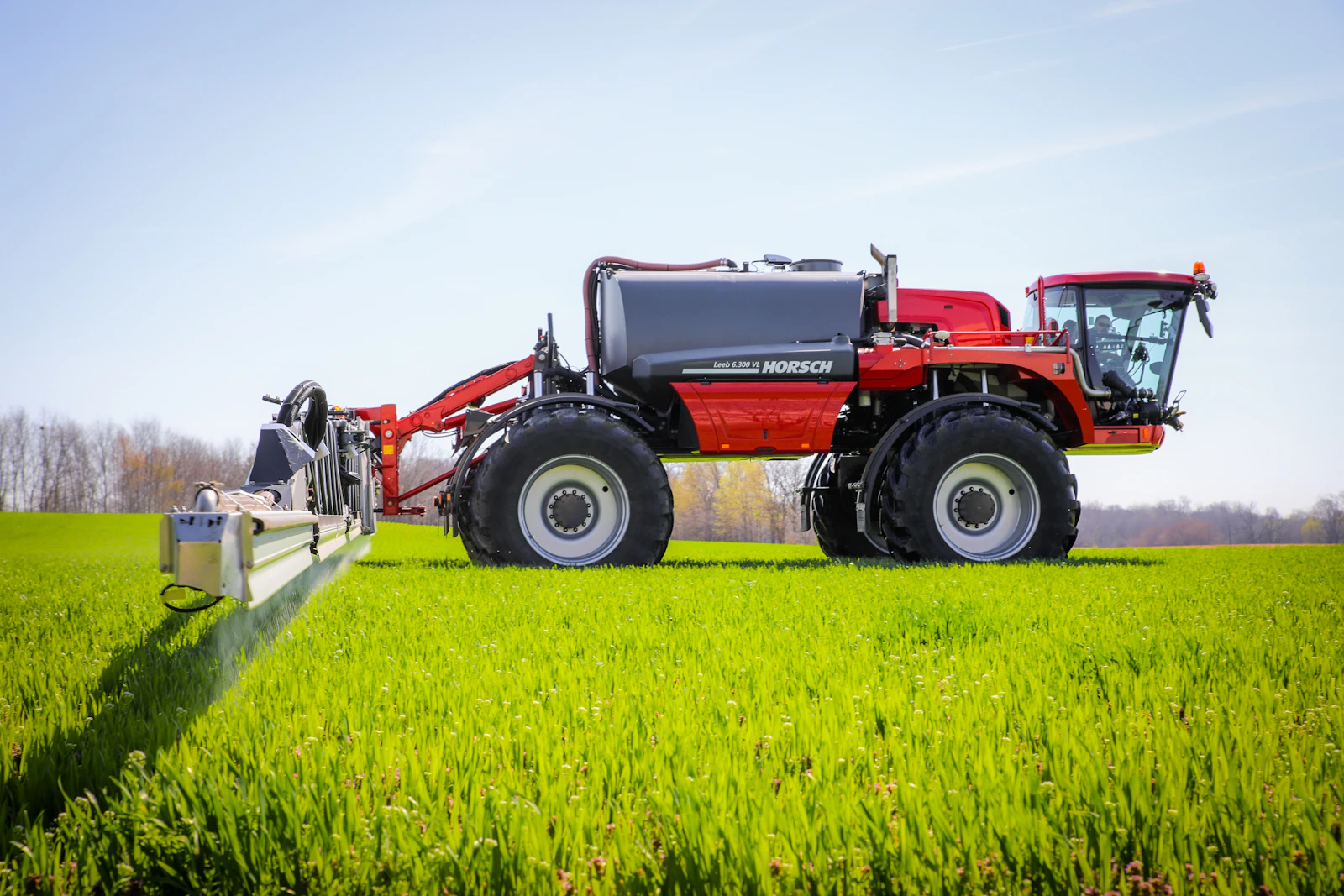
Section Control Overlap Savings Depend on Field Shape and Pass Count
Double coverage costs more on irregular fields than on square ones. Here is where it comes from and how to measure it on your own acres.
Analysis and USDA program guides for US row-crop farmers — crop yield trends, price movements and EQIP funding, explained beyond the raw numbers.
Double coverage costs more on irregular fields than on square ones. Here is where it comes from and how to measure it on your own acres.
Soil tests and dated fertilizer records decide how strong an EQIP nutrient management application looks. Here is what to gather and when.
A monitor estimates grain flow instead of weighing it, so its factors drift during harvest. Regular checks against scale tickets keep yield maps honest.
Break-even is the price a crop needs just to cover its costs. Calculating it field by field shows when a bid is actually good.
Seeding rate should follow what each part of a field can support. Here is how to build zones, test them and avoid the most common mistake.
Two farmers can install the same practice and receive different EQIP payments. The difference comes down to producer status and how it is recorded.
A late-planted field rarely looks like a disaster at harvest, but the loss adds up quietly over seasons. Learn how to read planting timing against your own yield records and adjust your plan.
The Commitments of Traders report shows how futures traders are positioned each week. Learn how to read it so you can time row crop sales more deliberately.
Actual production history is the yield record crop insurers use to set your guarantee before planting. Errors in that record carry forward into every insured acre until they are corrected.
Your yield monitor only counts grain that reaches the tank. Harvest loss measurement shows how much escapes from the header, cleaning shoe, and rear of the combine, so you can fix leaks before they cost you money.
Conservation Stewardship Program contracts reward producers for conservation they already maintain. Here is how ranking, five-year terms, and enhancements work together.
The harvest price option can raise your Revenue Protection guarantee when fall prices climb, but it carries a premium cost. Here is how the mechanics work and how to decide each year.