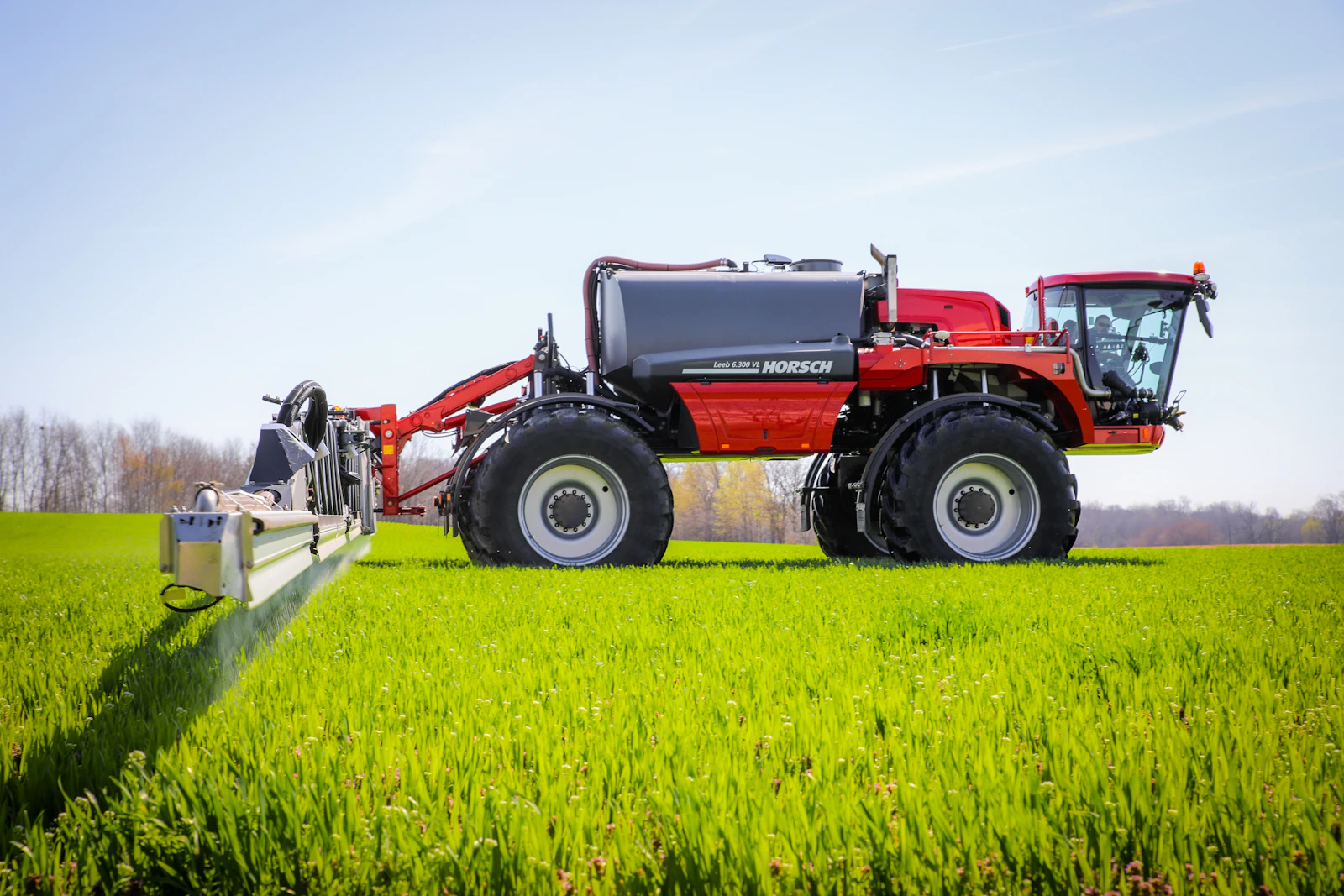
A sprayer finishes a field with curved edges and one grassed waterway, and the applied-area report reads several acres higher than the field boundary. Those extra acres were sprayed twice. Section control overlap is the term for that double coverage, and it is a cost you can measure.
The size of the cost depends less on the machine than on the shape of the field. A square field wastes little. An irregular one wastes a lot.
Where Double Coverage Comes From
Overlap appears wherever a swath runs into ground that has already been covered, such as headlands, point rows and waterway edges. It adds up. A boom or planter without section control keeps applying across that ground, and only a controller can shut off the part that crosses covered area.
Each shut-off is worth more on short, angled passes than on long straight ones. Count the passes. A field with many point rows has many chances for double coverage.
Quick Tips
- Map each field's boundary and headlands before you estimate any savings.
- Count the point rows and waterways in a field, since each one creates overlap.
- Check that every boom or planter section reports its real width to the controller.
- Compare applied area with field area after a few fields and keep the numbers.
Inputs make the cost concrete, because every doubled acre pays twice for seed, fertilizer or chemical. Crop damage can follow too. Some products can injure a crop at doubled rates.
How Section Control Overlap Shows Up in Your Records
Most controllers log coverage and applied area for every job. Compare applied area with the boundary area for the same field. The difference is your overlap, and it is more useful than any general estimate.
Do this across several fields before drawing a conclusion, since one field can mislead. Fields of different shapes should give different numbers. Group them by shape and compare.
Skips matter too. Turning sections off early leaves ground uncovered, so look at the coverage map for gaps along edges and around obstacles. Missed strips cost yield.
| Field type | Overlap risk | Section control benefit |
|---|---|---|
| Square or rectangular | Low, mostly at headlands | Modest |
| Curved boundaries | Moderate, along edges | Clear |
| Point rows and wedges | High, many short passes | Largest |
| Waterways and obstacles | High, repeated skips and overlaps | Large |
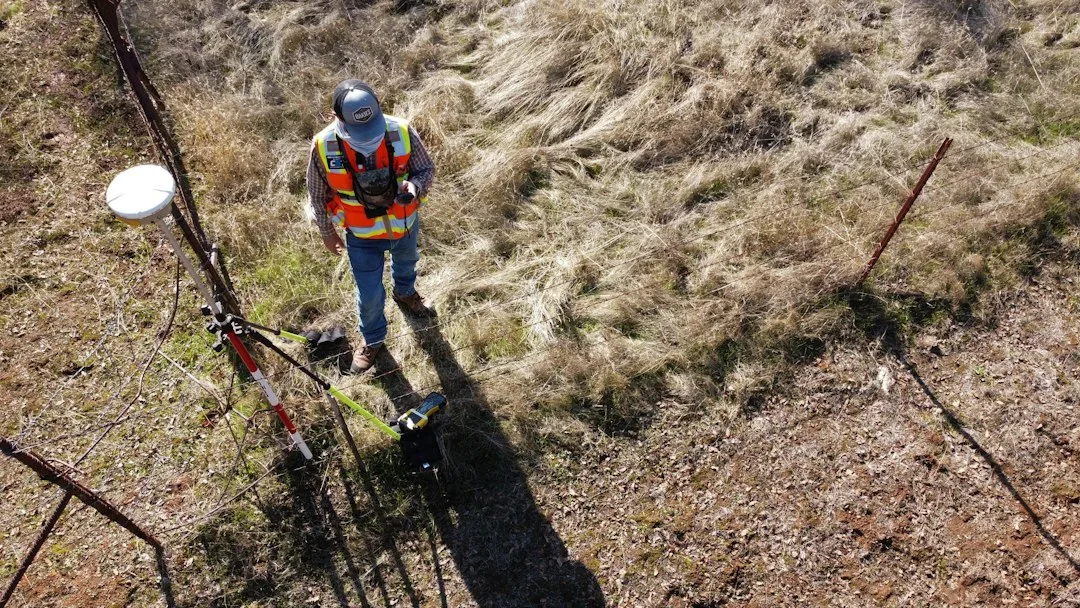
Boundaries need to be accurate for any of this to work. A boundary drawn loosely will report coverage that never happened. Walk or drive the edge once with a good GPS signal.
The Biggest Mistake Producers Make With Overlap Savings
The most common mistake is taking a savings percentage from a sales sheet and applying it to every field on the farm. Fields differ. A figure measured on irregular ground says little about a square quarter section.
For example, a grower budgets the same input savings for a rectangular field and for one full of point rows. Plans fail. The rectangular field returns a small fraction of the budget, and the equipment looks like a failure when field shape is the reason.
Measure first. Then plan.
Setting Up Equipment So Savings Are Real
Section widths, offsets and switch delays must match the machine. Otherwise the controller shuts sections off at the wrong place. A boom that turns off late doubles ground, and one that turns off early skips it.
Check the lag time for your specific machine and product, because sprayers, planters and spreaders respond differently. Test it. Adjust, then test again on a field you know well.
Calibration also affects the numbers you are comparing against. A yield monitor that has drifted will blur any before-and-after check of how overlap changed results. Keep calibration records for every machine.
Train every operator on the same settings. A different operator on the same machine can change shut-off behavior without anyone noticing. Write the settings down.
Weighing Equipment Cost Against Acres Covered
Section control is an equipment decision as much as an agronomic one. The cost spreads across every acre the machine covers, so a sprayer that runs thousands of acres carries it more easily than a planter that runs a few hundred.
Retrofit options exist for many older machines. Ask for the section count, because more sections trim overlap more closely. Narrow sections follow odd shapes better.
Run a simple check before buying. Take last season's applied-area records for three fields and price the extra acres at your input costs. Then decide.
A small figure means the money may do more elsewhere, such as soil sampling or drainage repair. That is fine. A large figure points to equipment that can pay for itself over a few seasons.
Turning Coverage Data Into Decisions
Once you know the applied area for a season, you can price the overlap using your own input costs. Do the math. Multiply the extra acres by what you paid per acre, then compare that dollar figure with equipment costs.
Fields with the most irregular shapes will usually justify the investment first. Rank your fields by edge length compared with area. Start with the top of that list.
Pair coverage maps with yield maps, since doubled seed or fertilizer can show up as a local pattern at harvest. Compare them. The signature of overlap follows the pass pattern, not the soil boundary.
Reading field-level yield maps helps you tell overlap effects from soil or drainage problems. That separation matters. Make it before you change any settings.
For context on how your crop is performing against others, the crop yield data hub lists current USDA yields by state and crop. Use it with your records.
Frequently Asked Questions
What is section control overlap?
Section control overlap is ground that receives seed, fertilizer or chemical more than once because part of the machine kept applying over covered area. Section control shuts off the sections that cross already-covered ground.
How do I measure overlap on my own fields?
Compare the applied area logged by your controller with the field boundary area. The difference is the overlap, and repeating the check across several fields shows how much field shape matters.
Which fields save the most with section control?
Fields with point rows, curved edges, waterways and obstacles usually save the most. Square and rectangular fields with few short passes tend to save less.
Can section control cause skips?
Yes. If section widths, offsets or switch delays are set wrong, the controller can shut sections off too early and leave strips uncovered. Check coverage maps for gaps along edges.
Why do boundaries matter for section control?
The controller shuts sections off based on the boundary and prior coverage. An inaccurate boundary means the machine applies where it should not or stops where it should apply.